The Science Behind EverStrong
Learn more about the science behind EverStrong and how REMS calculates bone density and bone structure in one radiation-free scan.
The basics
What is a REMS scan?
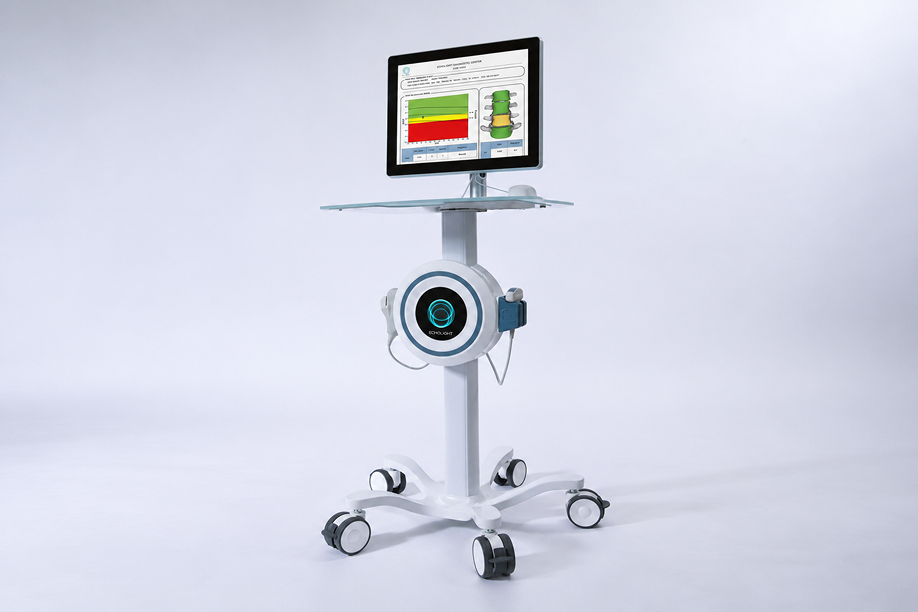
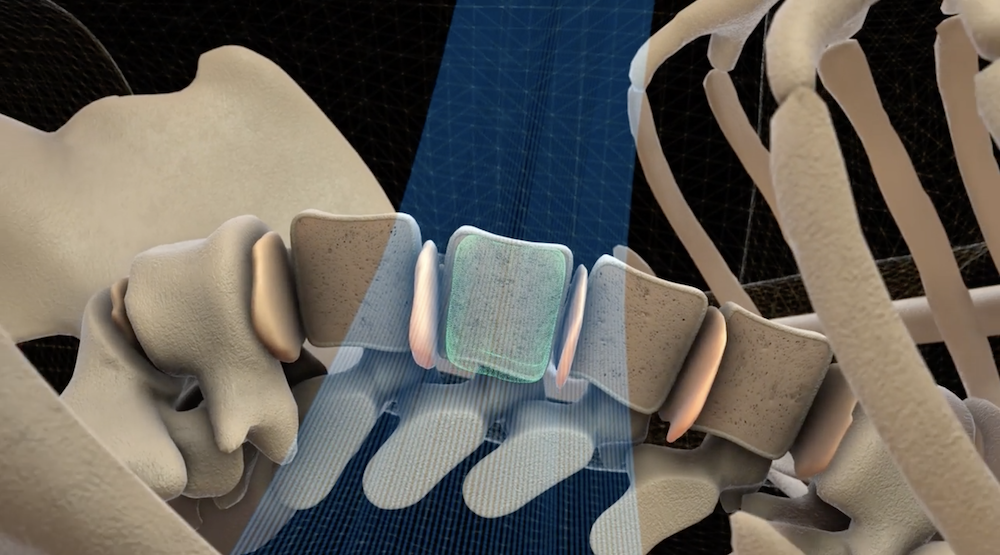
REMS stands for Radiofrequency Echographic Multi-Spectrometry. REMS is an ultrasound-based assessment that provides information about bone density and bone structure, all in one scan. It uses ultrasound rather than radiation to evaluate bone density along with characteristics of bone structure and architecture, the microscopic framework that gives bone its strength. At EverStrong, we use the Echolight REMS device. Learn more about Echolight here.
Your REMS results are the starting point of your EverStrong program. They show where you are today and give us a baseline to measure change against.
The basics
What is bone architecture vs. bone density?
Bone density is how much mineral, mostly calcium and phosphorus, is packed into your bone. It’s what a DXA scan measures, and it’s a helpful number to know.
Bone quality is a different question: how well is that bone actually built? Bone is not a solid block. Inside, it is a framework of tiny supporting structures, and how that framework is organized affects how strong the bone is.
Think of it this way: the amount of material matters, but so does how that material is organized. Putting calcium into bone isn’t enough. Chalk contains calcium and is still brittle.
That is why we say bone strength is more than a number.
The benefits
What are the benefits of REMS technology?
Non-invasive
An ultrasound-based assessment done on-site at EverStrong, with no hospital visit or referral needed.
Radiation-free
REMS uses ultrasound rather than radiation, so repeat assessments fit naturally into your program and let us follow your results over time.
The whole picture, one scan
REMS looks at bone density as well as how it’s built, giving you a whole-picture view of your bone health in a single assessment.
The comparison
REMS vs. DXA: What’s the Difference?
DXA (also called DEXA) is a widely used bone density test. It measures bone mineral density (BMD), focusing mainly on the lower back and hips. It does not look at bone architecture.
REMS provides bone density measurements and also gives information about bone structure. That is why EverStrong uses it: we want to understand more than how much mineral your bone contains.
REMS Scan
What it looks at
Ultrasound-based imaging of bone at the proximal femur and lumbar spine.
What information it provides
Estimates of bone density, along with information about bone structure and architecture.
How it is typically used
A complete bone assessment on its own, calculating bone density and bone structure in one scan
DXA/DEXA
What it looks at
Low-dose X-ray imaging, most often of the hip and lower spine.
What information it provides
Bone mineral density — the amount of mineral present in a given area of bone.
How it is typically used
A bone density test that measures bone mineral density (BMD)